
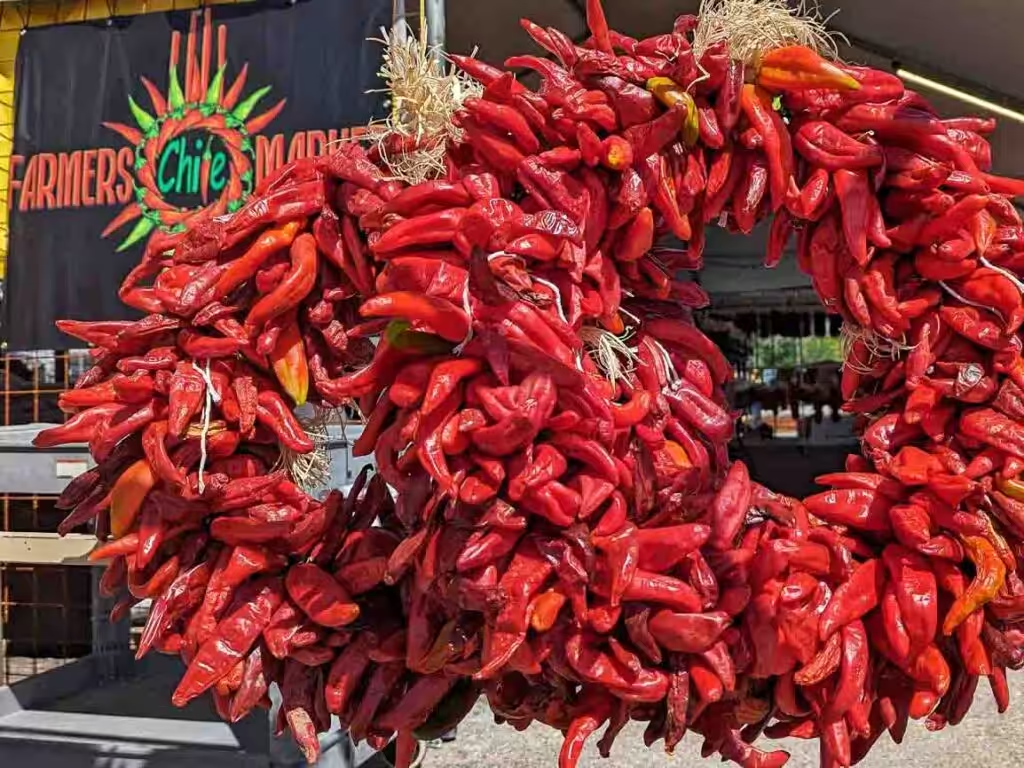
If you have ever traveled through New Mexico as the intense heat of summer gives way to crisp autumn air, you have undoubtedly been captivated by a quintessential Southwestern sight: vibrant, crimson strings of chile peppers hanging proudly from adobe porches, rustic wooden portals, and kitchen rafters. These breathtaking arrangements are known as ristras.
But a ristra is far more than a simple Southwestern accent piece or a festive tourist souvenir. It is a profound symbol of hospitality, a historic agricultural preservation method, and the foundational ingredient of authentic New Mexican cuisine. At BuyHatchChile.com, we believe that understanding the heritage behind these beautiful crimson strings makes them even more special. Drawing on the rich traditions of the Hatch Valley—the undisputed Chile Capital of the World—this is your ultimate guide to the history, culinary magic, and proper care of the authentic Hatch chile ristra.
The Deep Roots: History and Purpose
In Spanish, the word “ristra” simply translates to “string.” In the context of the American Southwest, it refers specifically to the time-honored method of stringing up fully mature red chile pods to dry under the warm, arid desert sun. While ristras can technically be made from garlic, pequin peppers, or small chiles de arbol, the most iconic and highly sought-after varieties are crafted using authentic Hatch red chile, very often utilizing the renowned Sandia variety originally developed at New Mexico State University.
Hatch chiles owe their legendary, complex flavor to the unique terroir of the Hatch Valley. It is a perfect agricultural storm: mineral-rich soil fed by the Rio Grande, blazing hot daytime temperatures, and cool desert nights.
Long before they became a staple of Southwestern home decor, ristras were born out of absolute necessity. Before the advent of modern refrigeration or commercial dehydration, farmers needed a reliable way to preserve their bountiful autumn harvest to sustain their families through the long, barren winter.
Hanging the freshly harvested chiles on strings was a stroke of agricultural genius. Suspending the pods allowed for 360-degree airflow, rapidly drying the chile and preventing rot. But there was another brilliant ecological reason for hanging them. While mammals (like crop-destroying rodents) are highly sensitive to capsaicin—the chemical compound that gives chile peppers their fiery heat—birds are completely immune to it. By hanging the chiles on strings rather than laying them out on the ground, early farmers kept their precious crop safely out of reach of rodents, while the natural capsaicin didn’t deter the birds who would otherwise feast on the seeds. The ristra was the perfect natural storage solution.
A Symbol of Southwestern Hospitality
Today, hanging a ristra by your front door has evolved into the New Mexican equivalent of laying out a welcome mat. The rich, earthy red color beautifully contrasts with the neutral tones of stucco and adobe architecture, bringing a pop of vibrant, natural color to any living space. Hanging a fresh ristra on your porch is a traditional way to wish visitors good luck, good health, and a warm, inviting welcome.
Because of this deep cultural significance, ristras have become one of the most beloved gifts in the Southwest. They are highly sought after as Christmas presents, unique birthday gifts, and even stunning, rustic decorations for weddings. It is not uncommon for couples to order dozens of Hatch chile ristras to adorn their wedding venues, infusing their special day with authentic Southwestern charm.
And while the traditional straight string is the standard, the art form has expanded over the decades. Today, skilled artisans craft ristras into the shapes of wreaths, hearts, crosses, and even complex geometric shapes, proving that this agricultural staple is also a true art form.
Hanging and Caring for Your Ristra
Whether you receive a ristra as a gift or purchase one to bring a touch of Santa Fe style to your own home, it is important to remember that these are fragile agricultural products. How and where you hang your Hatch chile ristra will dictate how long it lasts.
Hanging Indoors: If you choose to hang your ristra indoors, you can expect it to look fantastic for a couple of years. The most critical step before bringing a fresh ristra inside is ensuring it is completely dry. If you purchase a fresh one locally, let it hang in direct sunlight outdoors for a week or so to eliminate internal moisture. (If you order online, they are typically shipped already dried to prevent rot in transit). Once inside, hang it in a location free from high foot traffic. Without the outdoor winds to worry about, you can hang it flat against a wall in your kitchen or living room to serve as a stunning focal point.
Hanging Outdoors: Hanging a ristra outdoors requires a bit more strategic planning. The wind is a ristra’s greatest enemy. A little gentle sway is fine, but if your ristra is hung near a wall, pillar, or post where the wind can repeatedly smash or rub it against a hard surface, the delicate dried pods will gradually grind down and break apart. Always give your ristra plenty of clearance.
Furthermore, protect your outdoor ristra from the harshest elements. While they thrive in the dry Southwestern climate, shielding your ristra from direct rain is crucial to prevent mold growth. Additionally, the intense UV rays of the sun will eventually bleach the vibrant red pods. Finding a spot with partial shade during peak sunlight hours will greatly extend the life and color of your decoration.
Treating for Permanent Decor: For those who want their ristra to last indefinitely as a permanent decorative fixture, chemical treatment is an option. You can coat the pods using spray lacquer, shellac, acrylic spray paint, or melted beeswax. However, there is a crucial rule: the ristra must be 100% bone-dry before sealing it. If any moisture remains trapped inside the pods, the ristra will rot from the inside out. Note: Once a ristra is chemically treated, it is strictly a decoration and can never be consumed!
From Porch to Plate: The Culinary Magic
For many, simply looking at a ristra is a terrible waste of flavor. In New Mexico, the official state question is “Red or Green?” When you choose red chile, you are eating the exact same peppers that make up a traditional ristra.
Green chiles and red chiles are not different plants; the red pods are simply green chiles that have been left on the vine longer to fully ripen, typically being harvested around Labor Day. This extra time on the plant, combined with the natural sun-drying process of the ristra, works absolute culinary magic. As the pods age on the string, a natural fermentation process occurs. This concentrates and transforms the sugars in the chile, turning the bright, crisp, vegetal bite of a green chile into a complex, deep, and subtly sweet flavor profile. It is the exact same chemical principle that makes sun-dried tomatoes so rich and delicious compared to fresh ones.
When you are ready to cook, an untreated ristra provides the ultimate authentic pantry staple. To use it, simply pluck a few dry pods from the bottom of the string to preserve the aesthetic of the top. Remove the stems and shake out the seeds, then rehydrate the dried pods in warm water. Once softened, blend them with the soaking water, garlic, oregano, and salt.
This process yields an authentic New Mexican red chile sauce—essentially the “mother sauce” of Southwestern cuisine, rivaling the importance of béchamel in French cooking. This glorious red sauce is the backbone of regional culinary masterpieces, from deeply marinated, slow-cooked carne adovada to warming bowls of winter posole, smothered burritos, and the iconic stacked red chile enchiladas.
The Art of Crafting a Ristra
If you ever find yourself with a burlap sack of fresh Hatch red chiles in September, crafting your own ristra is a wonderful autumn tradition. There are two primary methods used by farmers and artisans:
- The Tying Method: Widely considered the most durable approach. Using strong twine, you create a top hanging loop and then bind clusters of three to four chiles tightly by their stems, stacking and knotting them continuously until you reach your desired length. The overlapping loops prevent individual peppers from slipping.
- The Sewing Method: Using a small needle and heavy thread, you carefully pierce the stem of each chile as close to the center as possible, threading them down one by one. While easier for some, putting a hole in the stem can make the dried pods slightly more fragile over time.
Regardless of the method, a true New Mexican ristra is always finished with a traditional crown. Dried corn husks are soaked in water, shredded with a fork (or a block of wood with finishing nails), and tied securely around the top hanging loop to give the ristra its iconic rustic finish.
Whether you are hanging one on your front porch to welcome friends and family, sealing one to bring a permanent splash of Santa Fe style to your living room, or pulling pods directly off the string to simmer a spectacular Sunday dinner, the Hatch chile ristra is a vibrant celebration of culture. It is where history, art, and unforgettable flavor seamlessly intertwine.
Ristras For Sale Online
In case you want to buy a ristra online, we have got you covered! Check below for all the ristras we have available!
-
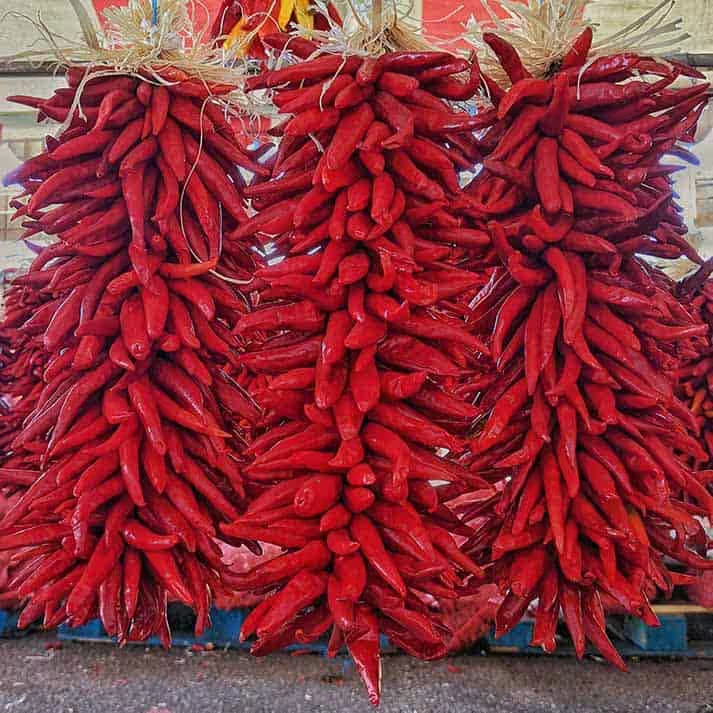
Artisan-Crafted Hatch Pequin Chile Ristra Cross
$59.99 -
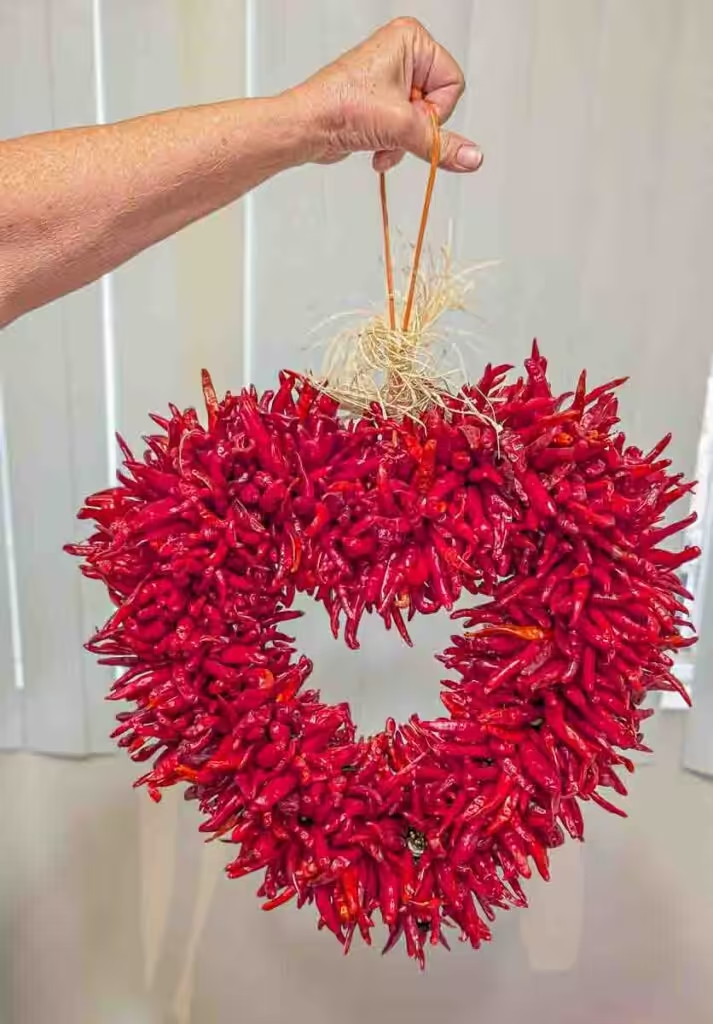
Artisan-Crafted Hatch Pequin Chile Ristra Heart
$59.99 -
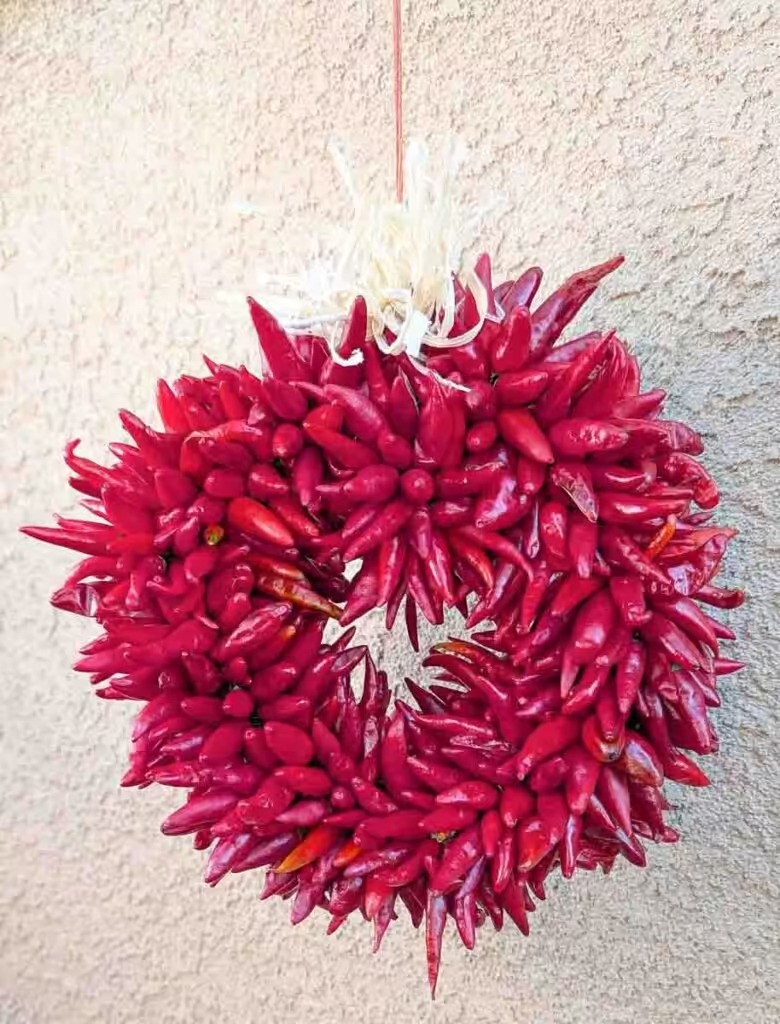
Artisan-Crafted Hatch Pequin Chile Ristra Wreath
$49.95 -
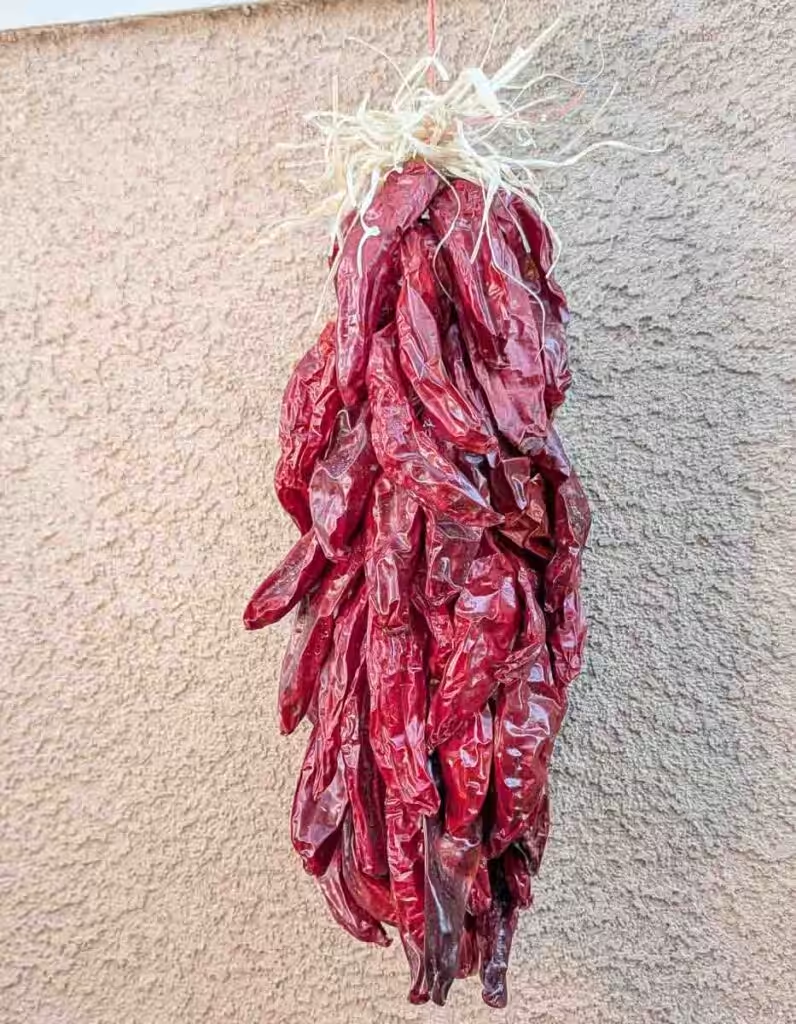
Authentic 12″ Hand-Tied Hatch Red Chile Ristra
$29.99 -
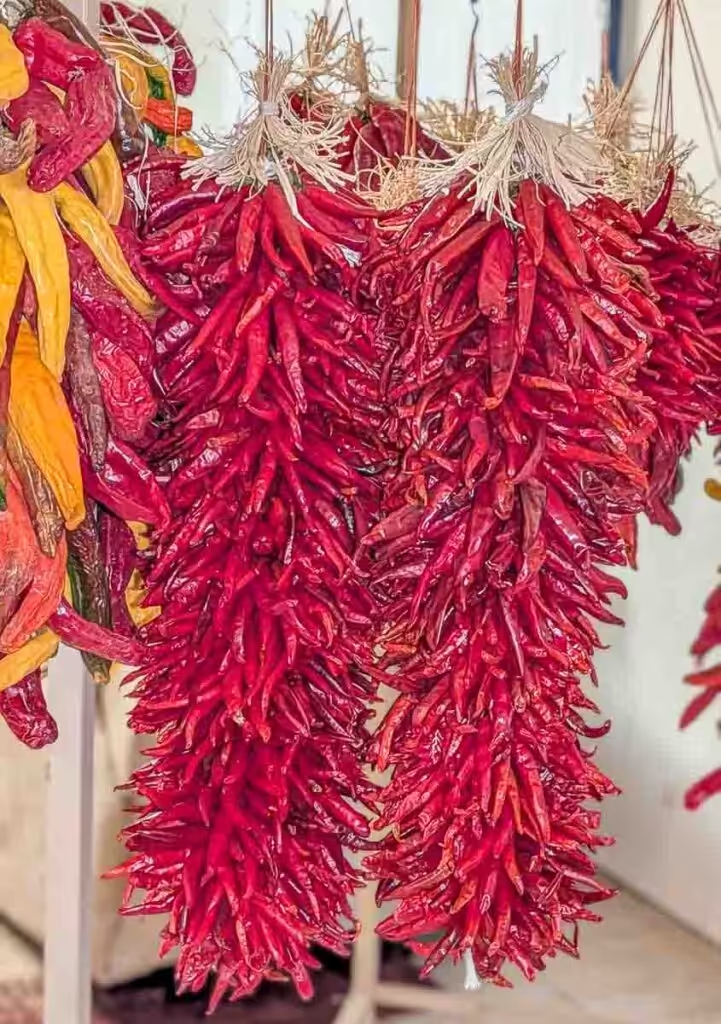
Authentic 18-inch Hatch Red Chile Pequin Ristra
$49.95 -
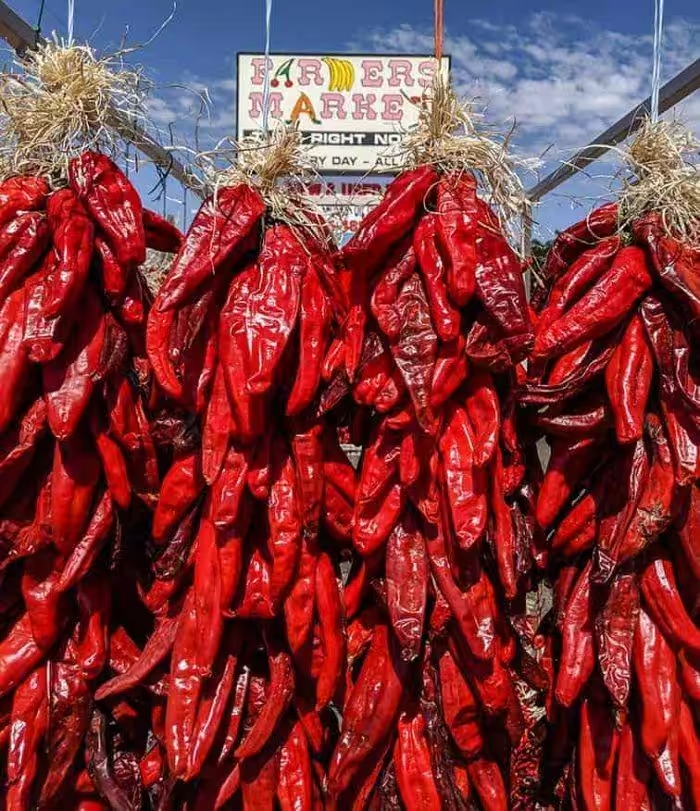
Authentic 24″ Hand-Tied Hatch Red Chile Ristra
$49.99 -
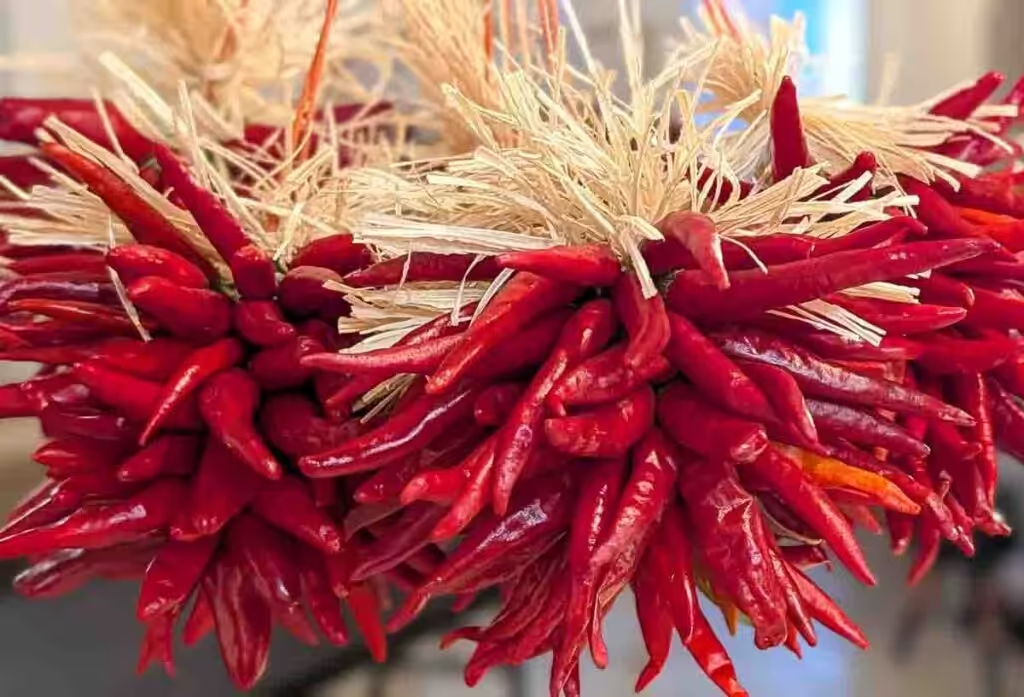
Authentic 3-inch Hatch Pequin Chile Ristra
$9.99 -
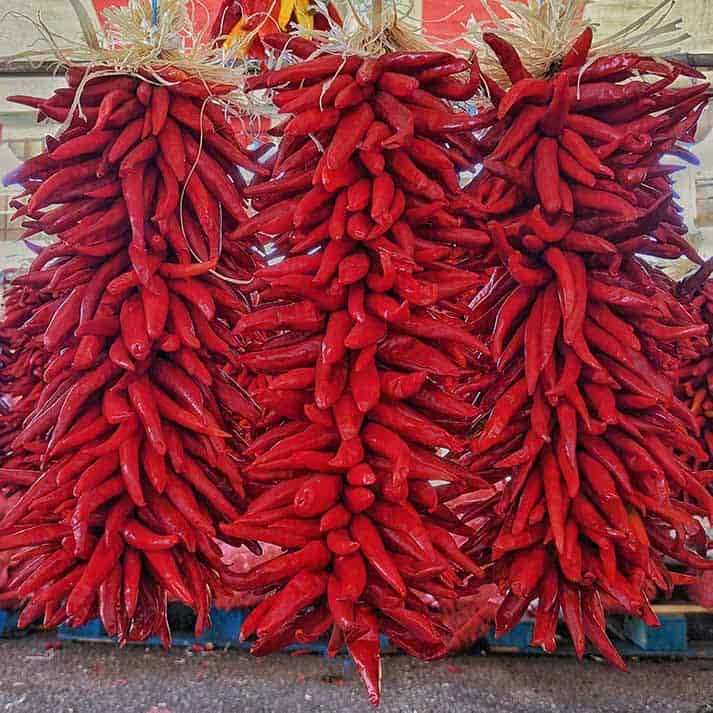
Authentic 6-inch Hatch Pequin Chile Ristra
$14.99 -
Authentic Hatch Red Chile Ristra Wreath
$79.97